
Providing Physical Therapy to Estevan and surrounding area
Southeast Physiotherapy is committed to helping clients return to sports and recreational activities safely. Besides. providing treatment of acute or ongoing injuries, Southeast Physiotherapy therapists also screen to prevent future injuries from hidden weaknesses or imbalances.
Shockwave Therapy
Effective Treatment for Chronic Pain and Stubborn Injuries
If you’ve been dealing with persistent pain that hasn’t improved with rest or traditional treatment, Shockwave Therapy may offer the solution you’ve been looking for. At Southeast Physiotherapy, this advanced, non-invasive treatment is used to stimulate healing, reduce pain, and help you return to your normal activities more efficiently.

What Is Shockwave Therapy?
Shockwave Therapy, also known as Radial Shockwave Therapy, uses high-energy sound waves to target injured or irritated tissues. These sound waves interact with the body at a cellular level, increasing circulation and stimulating the natural healing process. Over time, this helps break down scar tissue, improve tissue quality, and reduce pain signals coming from the affected area.
This treatment is particularly effective for conditions that have become chronic or have not responded well to other forms of care.


What Conditions Can It Help?
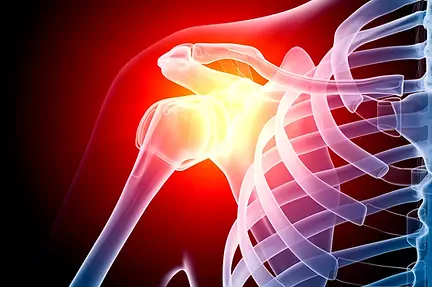
Shockwave Therapy is commonly used to treat a range of musculoskeletal conditions, particularly those involving tendons and connective tissue. Individuals experiencing plantar fasciitis, Achilles tendon pain, tennis or golfer’s elbow, and shoulder-related conditions such as rotator cuff irritation or calcifications often respond well to this treatment. It is also frequently used for patellar tendon pain, shin splints, and certain types of hip pain.
In general, this therapy is most beneficial for symptoms that have been present for several months and have not fully resolved with other treatments.
What to Expect During Your Appointment
Your appointment will begin with a thorough assessment by a physiotherapist to determine whether Shockwave Therapy is appropriate for your condition. If it is recommended, the treatment itself is relatively quick. A handheld device is applied to the skin over the affected area, delivering a series of controlled pulses.
Most treatments last between five and ten minutes per area. While some discomfort can be expected, especially over more sensitive tissues, the intensity is adjusted to ensure that it remains tolerable. Many patients are surprised by how manageable the treatment feels.
Common Treatment Plan And Results
Shockwave Therapy is typically delivered over a series of sessions, most often between three and six treatments spaced about a week apart. While some individuals notice improvements after the first or second visit, the most significant changes tend to occur gradually as the tissue begins to heal and adapt.
Your physiotherapist will guide you through a personalised treatment plan and may combine Shockwave Therapy with specific exercises or other physiotherapy techniques to optimise your results.
Benefits Of Shockwave Therapy
One of the main advantages of Shockwave Therapy is that it is completely non-invasive, meaning there are no needles, injections, or surgical procedures involved. There is no required downtime, allowing you to continue with your daily activities following treatment. By addressing the underlying source of pain rather than just the symptoms, this therapy can provide longer-lasting results and, in many cases, help individuals avoid more invasive interventions.

Is Shockwave Therapy Right For You?
Shockwave Therapy is often a good option for individuals who have been experiencing pain for more than three months, particularly when other treatments have not provided sufficient relief. It can be an effective alternative for those looking to avoid injections or surgery while still addressing the root cause of their symptoms.
That said, it is not appropriate for everyone. Certain medical conditions, medications, or stages of healing may influence whether this treatment is recommended. A thorough assessment will ensure that the approach taken is both safe and effective for your specific situation.
Why Choose Southeast Physiotherapy?
At Southeast Physiotherapy, the focus is always on understanding the root cause of your pain and creating a plan that supports long-term recovery. Shockwave Therapy is not used in isolation but is integrated into a comprehensive treatment approach that may include exercise, manual therapy, and education. This ensures that not only is your current pain addressed, but the contributing factors are also managed to reduce the risk of recurrence.


Frequently Asked Questions
1. How does Shockwave Therapy actually work?
Shockwave Therapy works by creating a mechanical stimulus in the tissue through rapid acoustic pulses. This stimulation increases local blood flow, encourages cellular activity, and helps restart the body’s natural healing processes. It can also reduce pain by influencing nerve sensitivity in the treated area. Over time, this leads to improved tissue quality and function.
2. Who is a good candidate for Shockwave Therapy?
This treatment is most appropriate for individuals with chronic or persistent pain, particularly when symptoms have been present for more than three months. It is often recommended when other conservative treatments, such as rest, stretching, or traditional physiotherapy, have not provided sufficient relief. Your physiotherapist will determine if it is appropriate based on your assessment findings.
3. Are there any conditions where shockwave should not be used?
Shockwave Therapy may not be appropriate in certain situations, such as over areas with active infection, certain circulatory or nerve disorders, or in individuals who are pregnant. It is also avoided over specific anatomical regions depending on safety considerations. A thorough assessment ensures the treatment is both safe and appropriate for you.
4. Can I continue my normal activities after treatment?
In most cases, you can continue with your daily activities after treatment. However, it is usually recommended to temporarily reduce high-impact or heavy loading activities involving the treated area for a short period. This allows the tissue to respond optimally to the treatment. Your physiotherapist will provide specific guidance based on your condition.
5. Is Shockwave Therapy covered by insurance?
Coverage depends on your individual insurance plan. In many cases, the treatment can be billed under physiotherapy services if it is part of your overall care. It’s always a good idea to check with your provider, and your clinic can help guide you on how sessions are billed.
6. Why is exercise still recommended if I am receiving shockwave therapy?
While Shockwave Therapy helps stimulate healing, exercise plays a critical role in restoring strength, mobility, and function. Combining both approaches ensures that not only is the tissue healing, but it is also able to tolerate the demands of your daily activities and prevent recurrence of the issue.